

Mastering Casino Games: Expert Strategies for Beating the House Edge
Nearly every casino game operates on a mathematically fixed house edge, ensuring the casino always wins over time. Players choose from slot machines, table games like blackjack and roulette, or live dealer experiences, each offering instant engagement. The core benefit is the adrenaline rush of risk and reward, with strategic play in some games reducing the house advantage. Mastering basic blackjack strategy is the single most effective way to tilt the odds slightly in your favor against the house.
Mastering the Reels: Understanding Slot Machine Mechanics
Every spin on a casino floor is a miniature narrative, a story told by the reels. To truly master this, you must decode the silent heart of the machine: the Random Number Generator. This microchip isn’t affected by your last loss or the machine’s idle time; it constantly cycles through thousands of numbers per second. The moment you press spin, it captures a single snapshot, dictating exactly which symbols land. This mechanic means hot and cold streaks are illusions—pure chance, not a pattern. The real control lies in understanding paylines and volatility. Low volatility machines pay small wins often, stretching your bankroll for longer sessions, while high volatility reels offer dramatic, infrequent jackpots. Your strategy? Choose the volatility that matches your risk appetite, not a „due“ win.
- Check the Paytable: Always review the symbol values and bonus triggers before your first spin to understand the machine’s specific mechanics.
- Match Volatility to Budget: Select low-volatility slots for longer playtime or high-volatility slots if you’re chasing larger, less frequent payouts.
- Ignore „Due“ Wins: Embrace the RNG reality; a machine that hasn’t paid in 100 spins has the exact same odds as one that just paid.
- Focus on Hit Frequency: Look for the „hit frequency“ stat (often in game info) to know how often you’ll land a winning combination relative to total spins.
Strategic Play: How to Approach Table Classics
Approaching table classics demands a shift from luck-based hope to calculated risk. The core of strategic play lies in mastering basic probability and bankroll discipline. For instance, in blackjack, you memorize the hard and soft totals chart to cut the house edge below 1%. In craps, you focus on Pass Line bets with Odds, avoiding high-vig propositions. In baccarat, you consistently bet on Banker and ignore streak patterns. What is the single most strategic move at any felt table? Q: How do you neutralize the house edge in roulette? A: You don’t; you pick European over American for the single zero, then accept the spin as pure variance, not strategy. Every decision, from splitting eights to taking full odds, must be a reduction of statistical liability, not a chase for emotional thrill.
Decoding Odds in Blackjack and Its Variants
Decoding odds in blackjack begins with understanding the house edge shifts between variants. In classic blackjack, basic strategy reduces the house edge to under 0.5%, but side bets like Insurance or Perfect Pairs spike the odds against you. For Spanish 21, removing all 10s alters card counting math, increasing the house advantage. Double Exposure blackjack, with both dealer cards visible, tempts aggressive play but compensates with a higher edge. To master odds across variants, follow this sequence: master the base game odds first, then learn each variant’s specific rule adjustments, practice with free demos until you internalize payouts, and finally avoid all side bets that exceed 5% house edge.
Betting Systems for Roulette: Do They Truly Work?
Roulette betting systems like Martingale or Fibonacci promise to outsmart the wheel, yet they falter against table limits and finite bankrolls. While these strategies can create short-term excitement, the house edge remains unchanged on every spin. No sequence of bets alters the odds of a red or black outcome—each result is statistically independent. The allure of a guaranteed win is a gambler’s fallacy in action. No betting system changes roulette’s core probability; they merely restructure losses. Success hinges on luck, not progression patterns.
Betting systems for roulette cannot overcome the house edge; they only manage risk without improving expected returns against a game of pure chance.
Baccarat: Betting on Banker, Player, or Tie
In Baccarat, strategic play revolves around the three core wagers: Banker, Player, and Tie. Betting on Banker offers the lowest house edge at approximately 1.06%, making it the most statistically sound choice. The Player bet carries a slightly higher house edge of 1.24%. While the Tie bet pays 8-to-1 or 9-to-1, its house edge soars above 14%, deterring disciplined players. Successful navigation of Baccarat betting requires focusing on the Banker bet’s consistency, ignoring betting patterns or streaks as irrelevant. Each hand is independent, so sticking to Banker or Player bets maximizes long-term value without emotional interference.
Baccarat betting is a binary choice between Banker and Player, where the Tie bet is a statistically poor risk; the Banker’s lower house edge remains the optimal strategic play.
Banking on Luck: The Appeal of Progressive Jackpots
What makes progressive jackpots so compelling in casino games? It’s the sheer scale of the potential payout. Unlike fixed prizes, a portion of every bet across a network of linked machines feeds a single, ever-growing pool. This creates a life-changing sum that can hit at any moment, regardless of previous spins. Banking on Luck: The Appeal of Progressive Jackpots lies in this low-odds, high-reward dynamic, where a single lucky spin on a slot or video poker game can dwarf the return of standard play.
How does the player’s strategy differ with these games? Usually, you must place the maximum bet to qualify for the top prize. This raises the cost per spin and shortens your bankroll, shifting the focus from extended entertainment to chasing that one massive hit. The thrill comes from watching the meter climb, knowing that each wager adds to the pot, but the house edge remains constant—you are truly banking on luck rather than skill or probability to trigger the jackpot.
Why do players return despite long odds? The dream of instant wealth is powerful. The visible, ticking jackpot meter creates a sense of urgency and shared excitement in the casino environment. Players accept the near-certainty of losing smaller amounts because of the remote, but very real, chance that their next spin could be the one that changes everything.
Beyond the Felt: Live Dealer Experiences at Home

Beyond the Felt transforms casino games by streaming a real human dealer directly into your home, bridging the gap between digital clicks and authentic interaction. You place bets through an intuitive interface while watching a professional shuffle cards or spin the roulette wheel in real time, ensuring every hand and round is genuinely unpredictable. Unlike automated random number generators, this format lets you chat with the dealer and other players, recreating the social pulse of a physical table. The result is a casino experience where skill and reading the game remain key, yet you control the comfort of your own environment. It turns passive screen time into active, shared gameplay without sacrificing convenience.
Interactive Streaming: Bridging the Gap with Real Dealers
Interactive streaming turns a solo game into a shared hangout by beaming a real dealer directly to your screen. You can chat with them and other players in real-time, almost like you’re all at the same table. For blackjack or roulette, this bridges the social gap perfectly—your cards and their chips update instantly as the dealer shuffles or spins. Instead of clicking a button alone, you’re reacting to a person who greets you by name. It’s a simple shift that makes home play feel like a genuine casino floor, without leaving your couch.
Game Show-Inspired Thrills and Their Growing Popularity
Game show-inspired thrills have surged in live dealer casinos by merging nostalgia with high-stakes action. Unlike blackjack or roulette, these interactive experiences let you spin giant wheels, pick virtual treasure chests, or compete go to site in real-time trivia against a human host. The structure removes complex rules, instead offering instant decision points that mimic television game shows. Each round feels like a standalone event, not just a table turn, amplifying the adrenaline of every flip or spin. This accessibility attracts players seeking social interaction without intimidating strategy.
- Hosts inject showmanship and banter, creating a party atmosphere absent from standard tables.
- Unique prize structures—like multipliers or bonus rounds—can trigger rapid, outsized payouts.
- Low minimum bets lower the barrier to entry for casual viewers of game shows.
Winning Edge: Key Strategies for Card Counting
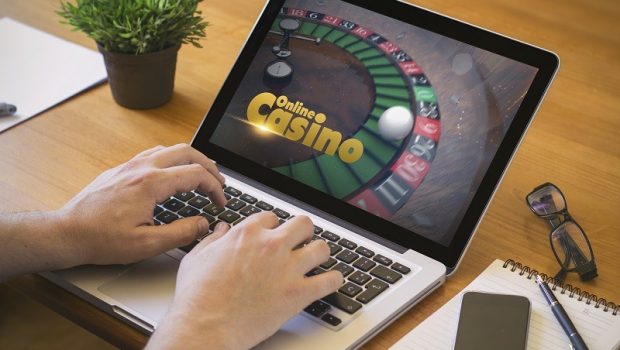
To truly gain a winning edge in card counting, you must move past basic hi-lo systems and focus on depth of play. The key is not just tracking tens but mastering true count conversion and bet spread discipline. Start by maintaining a consistent deck estimation—rounding down half-decks keeps your ratio accurate without mental fatigue. Pair this with a camouflage strategy: vary your bet sizes in natural, non-linear increments to avoid pit heat. Also, practice deviation indices for insurance and 16 vs. 10—these extra plays capitalize on small count advantages. Finally, manage your bankroll with a strict unit system; never risk more than 1% per hand to survive variance. These core tactics turn theory into real, sustainable profits.
- Always convert your running count into a true count by dividing by remaining decks—this is the foundation of real accuracy.
- Use a bet spread of 1–12 units (e.g., $10 to $120) to leverage high counts without drawing immediate floor attention.
- Memorize at least 15 key index numbers for actions like doubling or splitting in positive or negative counts.
- Practice at home with a single-deck timer until you can count silently while holding casual conversation.
- Set a loss limit per session and walk away when your count is flat—discipline protects your edge from tilt.
The Psychology of Wagering: Managing Risk and Reward
The core of casino wagering is a psychological battle against the house edge, where managing risk requires a disciplined pre-commitment to loss limits. Successful players treat each bet as a calculated transaction, leveraging the brain’s reward system by banking small wins to extend play without chasing jackpots. The most dangerous illusion is the gambler’s fallacy, where a string of losses is misread as a „due“ win, directly undermining risk management. To master reward, one must treat variance as a given, accepting that short-term luck shuffles the deck. Stopping while ahead is a psychological victory over greed, and adhering to a strict stop-loss protects bankroll from emotional tilt. This framework converts the game from a luck-based hope into a controlled exposure to risk.
Setting Limits: Bankroll Management for Long Sessions
For marathon sessions, setting limits transforms bankroll management from a chore into a survival strategy. Pre-determine a hard cap, like 5% of your total funds per hour, and walk away the moment it’s spent. Stretch your play by dividing your bankroll into smaller, timed buy-ins; this prevents a single cold streak from ending your session early. Long-session bankroll discipline relies on defending your capital through rigid stop-losses and session time limits, not chasing losses. This structured approach ensures you can enjoy the game’s rhythm without reckless depletion.
Setting limits for long sessions means pre-defining hourly loss caps and timed buy-ins to survive variance and protect your bankroll from exhaustion.

Understanding House Edge Across Different Wagers
Understanding house edge across different wagers requires recognizing that not all bets within a single game carry the same mathematical disadvantage. In craps, the pass line bet holds a house edge around 1.41%, while the „any 7″ bet spikes to 16.67%, drastically altering risk. Similarly, blackjack’s strategic bet selection can lower the house edge below 0.5% if basic strategy is applied, yet side bets often exceed 10%. This variance means a player’s choice of wager directly dictates long-term expected loss, making it critical to compare edges before each bet.
Q: Why does the house edge differ so much between wagers in the same game?
A: Each wager’s odds are calculated independently; bets with higher payout ratios typically incorporate a larger built-in casino advantage to offset the low probability of winning, while simpler bets offer smaller edges.
Mobile-First Action: Optimizing Play on Smartphones
When the dealer’s card flashes on a small screen, every millisecond counts. A mobile-first action means redesigning the entire flow of Texas Hold’em so thumb-taps replace mouse-clicks. The fold button is always within reach of your right thumb, while chip stacks auto-size to prevent accidental all-ins. On spinning slots, the spin button pulses gently to guide your finger, and the paytable slides up in a single swipe instead of a clunky scroll. Blackjack tables finally feel natural: double-down is a long-press, not a hidden menu hunt. Even roulette remembers your last bet, saving you from retyping numbers on a cramped keyboard. This isn’t just shrinking a desktop game; it’s optimizing play on smartphones by rethinking touch zones, latency, and one-handed comfort. The result? A session that flows from train platform to couch without breaking immersion.
- Place all core actions—fold, check, spin, deal—within the bottom third of the screen for one-thumb reach.
- Use haptic feedback for confirmations (a short buzz on bet placement prevents misclicks).
- Enable landscape mode so players can hold the phone like a mini-table for poker and blackjack.
- Auto-save bet amounts per game; never force a re-entry of chip values after an app refresh.
- Add a quick-resize slider for cards and symbols to combat eye strain during long sessions.
- Prioritize touch event responsiveness over visual flourishes—animations that lag break the flow.
High-Stakes Territory: What Attracts VIP Players
What makes high-stakes territory so magnetic for VIP players? It’s not merely the larger bet limits—it’s the exclusive high-stakes environment that rewrites the rules of engagement. In these private arenas, the game itself shifts: blackjack tables remove dealer speed constraints to allow deep deliberation, while slots unlock custom volatility curves that let VIPs choose their risk profile. Every spin or hand becomes a curated experience, not a routine bet. VIP casino rewards here go beyond cashback—think dedicated hosts who adjust game mechanics on the fly, such as altering roulette minimums to match a player’s streak psychology. The true allure? Autonomy. VIPs control pacing, table limits, and even side-bet configurations in baccarat, transforming luck into a personal stage. No crowded floors, no noise—just the silent tension of high-value chips and a game that bends to their rhythm. That’s the draw: a casino game that feels less like gambling and more like mastery.
Skill vs. Chance: Where Poker Differs from Pure Luck
In the neon-lit hum of a casino floor, slots and roulette stand as monuments to pure chance—each spin or roll an isolated event you cannot influence. Poker shares the same room but belongs to a different world. Here, the luck of a dealt hand is just the opening scene. Skill transforms probability into profit through reading opponents, calculating pot odds, and folding weak cards before the flop. A blackjack player can reduce the house edge with basic strategy, yet the deck still decides. In poker, your decisions whisper to every future hand.
Over a single night, luck may crown a novice, but across a year, skill writes the final ledger.
That is the difference: other games measure your bets against fate; poker measures your choices against other minds.
Reading Opponents: Bluffing and Table Dynamics
In poker, reading opponents transcends basic card knowledge, turning chance into a manageable variable. Bluffing succeeds only when you decode table dynamics, such as who folds under pressure or calls with weak hands. You must identify tells—hesitations or betting patterns—that reveal a bluff versus strength. This skill separates poker from games of pure luck, as you adjust your strategy based on real-time human behavior at the table. Q: How can I spot a bluff in live cash games? Watch for over-betting on community boards; it often masks a weak hand trying to scare off callers.
Tournaments vs. Cash Rounds: Choosing Your Arena
In poker, the choice between tournaments and cash rounds directly impacts how skill influences your bankroll. Tournament poker requires adapting to escalating blinds and short-stack play, where survival and accumulation are paramount. Cash rounds, conversely, allow you to buy in and leave at will, valuing consistent, deep-stacked decision-making over risky all-in confrontations. The variance in tournaments is often higher due to payout structures, while cash rounds offer a steadier, more controllable grind. Your selection should hinge on whether you thrive in a structured, single-elimination format or prefer the fluid, risk-managed environment of a cash table. Q: Which arena is more forgiving for a new player? A: Cash rounds, as you can leave anytime and are not forced into blind-stealing situations.
Newcomer’s Guide: Common Pitfalls to Sidestep
Newcomers often stumble when they chase losses after a bad hand, a trap that drains your bankroll fast. A common newcomer casino mistake is diving into complex table games like poker or baccarat without first playing free versions to learn rules and odds. You might also overlook the speed of digital slots—bets cycle in seconds, tricking you into wagering more than intended. Another pitfall is ignoring payout percentages; a machine flashing bright lights doesn’t mean it’s “due” to pay. Instead, set a strict loss limit before you spin or draw. The real blunder is treating a win as a sign to raise bets—that euphoria fades. Pause, take a break, and never borrow money to “get even.” Stick to games you understand, and call it a session while you’re ahead.
| Pitfall | Why It Hurts | How to Avoid |
|---|---|---|
| Chasing losses | Increases bet size, depletes funds faster | Set a time and money limit; walk away |
| Skipping practice games | Misses rule nuances, loses to house edge | Play free demos until rules feel automatic |
| Rushing bets in slots | Accelerates spending without realizing it | Use auto-spin limits slower than manual clicking |
Cryptocurrency and Wagers: Digital Payments at Modern Tables
At modern casino tables, cryptocurrency and wagers replace fiat with digital tokens like Bitcoin or Ethereum, processed directly via blockchain wallets. Players scan a QR code at the table’s terminal to deposit crypto into a virtual balance, with each transaction confirmed in minutes—no chip exchange needed. Wagers are placed using a digital interface embedded in the felt, deducting instantly from your crypto balance. Payouts for winning bets return to your casino wallet, which you can withdraw to an external wallet at any time. A non-custodial setup means you control private keys outside the table’s system, reducing account freezing risks. The table’s smart contract verifies each bet without manual cash handling, offering faster settlement for games like blackjack or roulette. Transaction fees are determined by network congestion, not casino policy.
| Aspect | Cryptocurrency Wagers | Traditional Fiat Wagers |
|---|---|---|
| Deposit speed | 2–10 minutes (blockchain confirmations) | Instant (cash/chip tray) |
| Transaction fee | Network gas fee (varies by crypto) | None at table, but cash-out fees apply |
| Privacy | Pseudonymous wallet address only | Requires ID or player card |
| Settlement | Automated smart contract payout | Manual dealer chip transfer |
| Custody | Player controls private keys | Casino holds funds in account |
Regional Flavors: Unique Betting Traditions Worldwide
In Macau’s bustling casinos, the regional tradition of baccarat transforms the game into a high-stakes ritual where players often bet on the Banker hand, influenced by local superstitions about luck and fortune. Across the Atlantic, New Orleans’ craps tables echo with shouts of “Yo-leven” as players follow a distinct betting pattern rooted in the city’s French and Creole heritage, often using deferred wagers to mimic the slow rhythm of jazz. Meanwhile, in parts of India, teen patti tables see players employing a bluff-heavy betting style called “chaal,” where the ante rises casually, reflecting the region’s love for high-stakes social gaming within lottery-style casino setups.
Asian Favorites: Sic Bo, Pai Gow, and Fan-Tan
Among regional casino traditions, Asian Favorites: Sic Bo, Pai Gow, and Fan-Tan deliver a distinct blend of chance and skill. Sic Bo, with its three-dice tumbler, offers over fifty betting options from small/big totals to specific triples, rewarding those who read probability tables. Pai Gow, played with 32 dominoes or a Chinese deck, pairs tiles into two hands requiring strategic splitting to beat the banker. Fan-Tan, using a bowl of buttons, asks players to guess the remainder after dividing by four, demanding patience and pattern recognition. Each game relies on unique house-edge calculations, not card counting. Master these core mechanics for authentic table immersion.

Sic Bo, Pai Gow, and Fan-Tan stand as the quintessential Asian favorites, each demanding distinct strategic approaches to navigate dice outcomes, tile splits, and remainder predictions.
European Classics: Trente et Quarante and Brag
European classics Trente et Quarante and Brag offer refined, high-stakes gameplay that diverges from mainstream casino options. In Trente et Quarante, players bet on a red or black tableau, with the dealer drawing six-card hands; no printing or cutting occurs, preserving the game’s aristocratic 18th-century purity. Brag, a three-card precursor to poker, relies on bluffing with “braggers” (wild cards) rather than community boards. Q: What distinguishes Brag from modern poker? A: Brag uses only three cards per player and permits unlimited raising during the “staking” phase, making psychological warfare the core mechanic—not hand rankings.
The Future of Interactive Betting: VR and Augmented Environments
Step into a casino where the felt is tangible and the dealer nods at you from across the table. VR casino environments are collapsing the distance between digital play and physical presence. You will walk through opulent virtual lobbies, pick up chips with your hands, and hear the shuffle of cards in spatial audio. Augmented reality, meanwhile, overlays live tables with real-time pot odds and holographic card reveals, turning a simple felt layout into a dynamic data interface. Future VR blackjack will let you split hands with a flick of your wrist, while AR roulette could project ball trajectory statistics onto the spinning wheel. These interactive betting technologies replace flat screens with genuine sensory feedback—haptic gloves simulate the weight of dice, and eye-tracking lets you call bets silently. The result is a fully immersive gaming session where your physical movements directly influence outcomes, merging the convenience of online play with the authenticity of a land-based floor.
| Aspect | Virtual Reality (VR) | Augmented Reality (AR) |
|---|---|---|
| Primary Experience | Full immersion in a digital casino world | Digital overlays on the real physical table |
| User Interaction | Physical walking, hand gestures, voice commands | Finger taps, gaze selection, surface projection |
| Hardware Required | VR headset, haptic gloves or controllers | AR glasses or smartphone with spatial mapping |
| Social Presence | Avatars with body language and proximity chat | Live player silhouettes with informational tags |
| Betting Mechanics | Pick up and place virtual tokens on felt | Drag digital chips onto real table positions |
| Feedback Type | Full haptic simulation (push, weight, vibration) | Visual highlights, audio cues, phantom haptics |
| Environmental Scope | Completely constructed 3D spaces | Enhanced reality within the player’s own room |
What Makes Modern Casino Games So Engaging
Core Mechanics Behind Slot and Table Action
How Random Number Generators Create Fair Play
Choosing the Right Game for Your Style
Comparing High-Risk Versus Low-Variance Options
Matching Game Themes to Personal Preferences
Key Features That Enhance Your Play Experience
