

Why Your Next Phone Needs An ESIM Card Today
An eSIM card is a digital SIM embedded directly into a device, replacing the need for a physical plastic card. It works by storing carrier profiles that can be downloaded and activated remotely, allowing users to switch networks without swapping chips. This built-in technology offers the benefit of easy activation and the ability to hold multiple profiles on a single device. To use it, you simply scan a QR code or download a carrier app to install the desired plan onto the embedded chip.
What Exactly Is an Embedded SIM and How Does It Work
An embedded SIM, or eSIM, is a tiny, programmable chip soldered directly onto your device’s motherboard, replacing the physical plastic card you must insert. Instead of swapping a SIM, you download a digital profile from your carrier onto this chip, which stores your subscriber identity and network keys securely. Your device actively manages this profile, allowing you to switch between operators by simply selecting a new one in your settings menu, without touching any hardware. The eSIM works by communicating with the carrier’s remote provisioning server to authenticate and activate your line over the air, using the same cellular standards as a traditional SIM. This means you can be fully connected moments after scanning a QR code, with no waiting for a physical card to arrive.
Understanding the digital chip that replaces plastic

Understanding the digital chip that replaces plastic begins with recognizing that an eSIM is not a physical card but a tiny, tamper-proof embedded integrated circuit soldered directly onto a device’s motherboard. This programmable chip performs the same identification and authentication functions as a removable SIM, but without the plastic carrier. You activate it by scanning a QR code or downloading a carrier profile, which writes a unique IMSI onto the chip’s secure memory. This digital architecture eliminates the need to swap cards when changing carriers or adding plans, allowing multiple profiles to reside on a single chip and be switched via software settings.
How remote provisioning changes connectivity
Remote provisioning transforms connectivity by eliminating physical SIM swaps. Instead of inserting a new card to change networks, the embedded SIM downloads a new operator profile over-the-air. This allows users to switch carriers instantly via a device menu, with no need to wait for mail delivery or visit a store. It enables activation of a local data plan upon arrival in a new country, avoiding roaming fees. This shift makes connectivity a software-defined service, where access is controlled by dynamic profile management rather than hardware changes.

Remote provisioning redefines connectivity as an instant, software-driven switch between mobile networks, removing the physical barrier of SIM card swaps.
Key Differences Between a Traditional SIM and the New Standard
The most immediate difference is physical: a traditional SIM is a removable plastic chip, while an eSIM is embedded directly into your device’s motherboard. This means you can switch carriers or plans without hunting for a tiny card or using a SIM ejector tool—activation is done via a QR code or app. With an eSIM, you can also store multiple profiles simultaneously, enabling easy switching between personal and work numbers on the same phone. However, moving your eSIM to a new device is often less straightforward; you must deactivate it remotely, then download a new profile onto the other phone. Traditional SIMs still win for simple swaps—just pop the card into any unlocked phone. A careful consideration is that eSIMs can complicate international travel if local providers lack easy remote provisioning.
Physical versus programmable: a side-by-side comparison
A traditional physical SIM is a tangible plastic card inserted into a device, whereas an eSIM is a programmable embedded chip soldered directly onto the motherboard. This physical versus programmable distinction dictates user experience: swapping a physical SIM requires ejecting a tray and handling a tiny card, while switching eSIM profiles happens entirely through software settings. You can store multiple eSIM profiles on one chip but activate only one at a time, a flexibility a single physical SIM cannot natively match.

Q: In a physical versus programmable comparison, which one allows remote carrier switching?
A: The programmable eSIM, as you change plans via a QR code or app without inserting new hardware.
Why size matters for device design
The tiny physical footprint of an eSIM is a game-changer for device design. Shrinking from a removable plastic card to a soldered chip frees up precious internal real estate. This allows engineers to pack in a larger battery or slimmer chassis. It’s the difference between carving out a slot for a tray versus simply placing a component on a board. For wearables like smartwatches, this space saving is critical for maintaining a compact, comfortable form factor. Smaller component footprint directly enables thinner, more water-resistant devices without compromising functionality.
An eSIM’s small size allows devices to be thinner, lighter, and more durable by reclaiming internal space for other components.
Top Reasons Travelers Are Switching to This Technology
Travelers are ditching physical SIMs for eSIMs because it’s insanely convenient. You can activate a data plan online before you even leave, avoiding the hunt for a local shop at the airport. The biggest win is keeping your home number active for calls and texts while using a local data plan on the same phone. No more fumbling with tiny trays or worrying about losing your original SIM. For short trips or multi-country itineraries, it cuts the hassle of swapping cards and dealing with expensive roaming fees. It’s simply the easier, cleaner way to stay connected abroad.
Activating local data plans without visiting stores
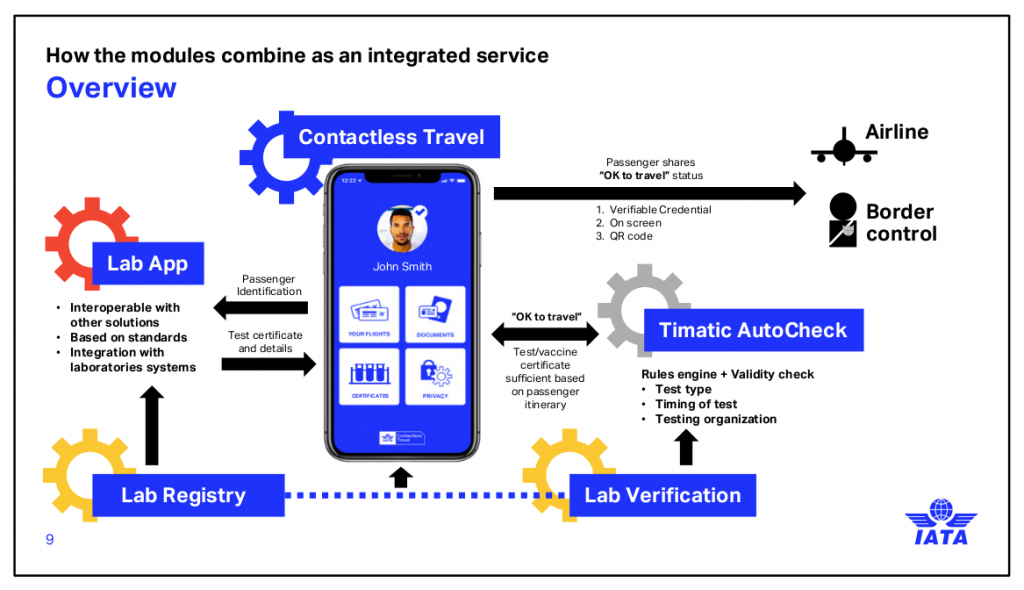
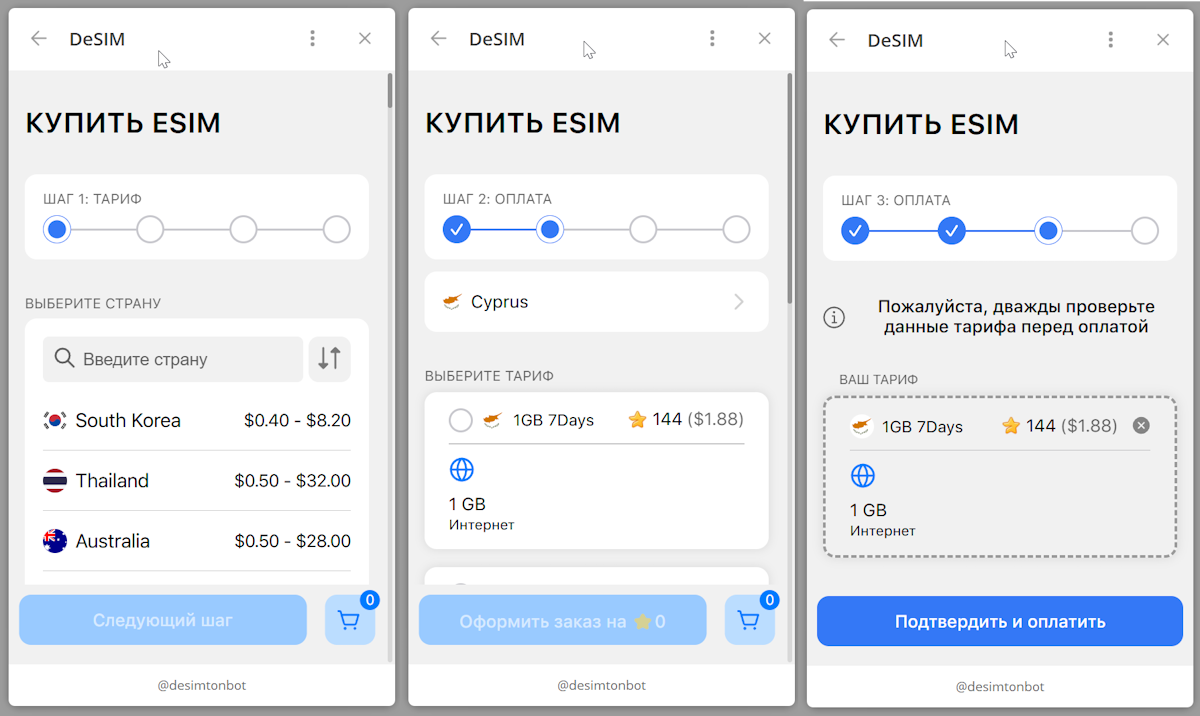
With an eSIM card, activating local data plans is entirely store-free. Travelers purchase a plan online from a local provider or global aggregator, then install the eSIM profile directly onto their device via a QR code or app. This process eliminates the need to visit a physical shop, queue, or exchange physical SIM cards. A clear sequence is typical:
- Select and purchase a local data plan from a compatible provider’s website or app.
- Receive a QR code-based activation via email or directly in the app.
- Scan the QR code with your phone’s settings menu to download and install the eSIM profile.
- Enable the new plan in your device’s cellular settings to go online immediately.
Eliminating roaming charges across borders
For travelers, eliminating roaming charges across borders is the most immediate benefit of an eSIM. Instead of paying daily fees or buying separate physical SIMs for each country, you switch profiles instantly without swapping cards. This allows you to purchase a local or regional data plan before departure, ensuring you start using data at local rates the moment you land. The cost savings are direct—you avoid surprise bills from your home carrier. Seamless cross-border connectivity means you pay only for what you use, with no hidden fees for crossing into another nation.
An eSIM ends roaming charges by letting you switch to local plans instantly, ensuring you pay local rates across every border without extra fees.
Which Devices Currently Support This Embedded Feature
The embedded eSIM feature is now standard across most flagship smartphones released after 2020, including the Apple iPhone XS and newer models, where Dual SIM with eSIM is a core selling point for travelers. The Google Pixel series from the Pixel 3 onwards supports it, as do Samsung’s Galaxy S20, S21, S22, S23, and the Z Fold/Flip lines. Beyond phones, the feature has quietly spread to premium wearables like the Apple Watch Series 5 and later, plus the Samsung Galaxy Watch 4 and 5.
In practical terms, a user with an iPhone 14 in the United States can activate an eSIM data plan in minutes, while a Pixel 6 owner switching carriers avoids fumbling with a physical tray.
Laptop users are not left out—Microsoft’s Surface Pro X and LTE variants of the Surface Laptop 4 include embedded eSIM chips, allowing instant connectivity without a physical card.
Latest smartphones and flagship models with native compatibility
The latest smartphones and flagship models with native compatibility for eSIM include the entire iPhone 15 series, which offers dual eSIM support without a physical SIM tray in US models, and the Samsung Galaxy S24 lineup, providing seamless dual SIM functionality. Google’s Pixel 8 and Pixel 8 Pro also feature native eSIM support alongside a physical slot. Similarly, the latest flagship models with native compatibility extend to Oppo Find X7 Ultra, Xiaomi 14 Pro, and Huawei Mate 60 Pro, each allowing direct eSIM activation through device settings without carrier-specific firmware.
Current flagship smartphones from Apple, Samsung, Google, Oppo, Xiaomi, and Huawei include native eSIM compatibility, enabling instant digital SIM activation.
Tablets, laptops, and wearables joining the ecosystem
Tablets, laptops, and wearables now actively join the eSIM ecosystem, delivering seamless cellular connectivity without a physical slot. Modern iPads and Microsoft Surface tablets integrate eSIM for on-the-go data plans, while ultrabooks like the Lenovo ThinkPad X1 Carbon support remote carrier switching. Smartwatches, such as the Apple Watch and Samsung Galaxy Watch, leverage eSIM to share your phone number, enabling standalone calls and notifications. This expansion transforms these devices into independent communication hubs, allowing users to activate a secondary line or local data plan directly through device settings. The result is a unified, clutter-free experience across your entire portable device family.
| Device Type | Key eSIM Advantage |
|---|---|
| Tablets | Instant local data activation for travel |
| Laptops | Always-on connectivity without hotspot reliance |
| Wearables | Standalone calls & messaging away from phone |
Step-by-Step Guide to Activating a Digital Profile
To activate an eSIM, first ensure your device is unlocked and connected to Wi-Fi. Step-by-Step Guide to Activating a Digital Profile usually starts by scanning the QR code your carrier emails you—open your phone’s cellular settings, tap “Add eSIM,” and scan the code. If no QR is available, enter the activation details manually under the “Enter Details Manually” option. After adding the profile, label it (e.g., “Travel Data”) and set your default line for calls and data. The profile downloads instantly, but you might need to restart your phone to finalize the connection.
Always keep the QR code or activation code saved in a secure place—you’ll need it again if you ever reset or switch devices.
That’s it; within minutes, your digital line is active.
Scanning QR codes and entering activation details
Scanning the QR code provided by your carrier is the first step to activating an eSIM. Using your device’s camera, simply frame the QR code until the prompt appears, then tap to initiate the download of your eSIM activation profile. You may then need to enter a confirmation code, often sent via SMS or displayed in your account dashboard. The process follows a clear sequence:
- Open your device’s cellular settings and select „Add eSIM“ or „Add Cellular Plan.“
- Choose „Scan QR Code“ and scan the provided code.
- If prompted, type in the activation code or confirm the plan details.
Precise placement of the phone over the QR code is critical to avoid scanning errors. Once entered, your digital profile will become active for mobile service.
Managing multiple profiles on one device
Managing multiple profiles on one device allows you to store several eSIM plans simultaneously, switching between them as needed. In your device settings, label each profile distinctly, such as „Work“ or „Travel,“ to avoid confusion. Activate or deactivate profiles individually; only one profile can be active for data at a time, while voice and SMS may support multiple. This enables efficient eSIM profile management without swapping physical SIMs, though device storage capacity varies by model.
You can store and switch between multiple eSIM profiles on a single device by labeling them and activating only the ones you need for data, voice, or SMS.

Security Benefits You Get With a Reprogrammable Chip
A reprogrammable chip in an eSIM card delivers robust security benefits by enabling remote encryption updates without physical access. Unlike a static SIM, you can instantly invalidate a compromised profile and push a cryptographic patch directly to the chip, neutralizing threats like cloning or spyware. The chip’s isolation ensures that each provisioned profile operates in a separate, hardware-secured enclave, preventing cross-contamination between personal and work credentials. This dynamic control also thwarts SIM-swap attacks, as authentication keys are refreshed per session via the reprogrammable element. You retain final authority over which encrypted operators are loaded, effectively locking your identity behind a software-defined wall that adapts to emerging vulnerabilities in real time.
Enhanced encryption and tamper-resistant hardware
Enhanced encryption in reprogrammable eSIMs creates a hardware-backed secure enclave directly on the chip. This isolated memory ensures your subscriber credentials are encrypted at rest and in transit using advanced algorithms, making extraction physically impossible without destroying the chip. Tamper-resistant hardware further prevents side-channel attacks by embedding hardware-level encryption engines that execute cryptographic operations without exposing keys to the device’s main processor. The practical sequence for secure provisioning involves:
- Encryption of the carrier profile via a unique hardware key before transmission.
- Decryption exclusively within the tamper-resistant memory region.
- Immediate erasure of all plaintext keys after each authentication session.
Remote lock or wipe if the device is lost
With a reprogrammable eSIM, the remote lock or wipe capability becomes a direct control mechanism tied to the chip’s identity, not just the device hardware. If the device is lost, you can initiate a lock to prevent network registration, effectively bricking the eSIM profile’s access to cellular services. A remote wipe then deletes the provisioning data from the chip, rendering the stored subscription useless to a thief. The sequence is clear:
- Remotely trigger a network-level lock via the eSIM’s secure element, disabling all connectivity.
- Issue a wipe command to erase the entire eSIM profile, removing personal subscriber credentials.
- Verify the deactivation through the operator’s management interface to ensure no residual access remains.
Common Misconceptions About the New SIM Format
A common misconception is that an eSIM is a physical card that can be lost or damaged. In reality, it is a permanent, reprogrammable chip embedded in your device. Many users also wrongly assume switching carriers requires removing a physical SIM, but with eSIM, you simply download a new profile. Another frequent error is believing that eSIM is less secure than a traditional SIM; however, the embedded nature actually reduces the risk of theft or cloning. That said, transferring an eSIM between devices is often less straightforward than simply moving a physical card. Finally, not all eSIMs are locked to one carrier, and dual-SIM functionality often relies on one physical SIM alongside the eSIM, not two electronic profiles.
Addressing worries about carrier lock-in
Many users fear an eSIM locks them to a single carrier, but this concern is largely outdated. Modern devices allow you to store multiple eSIM profiles and switch carriers without swapping a physical card. Simply request a new eSIM profile from your chosen provider, download it, and activate it instantly—no waiting for a new SIM to arrive. Your device’s settings menu typically lets you toggle between active profiles or delete an old one, giving you full control. This process is often faster and more flexible than traditional SIM swaps, ensuring you can always choose the best plan for your needs without being trapped.
Clarifying dual-SIM functionality myths
A persistent myth is that using an eSIM for dual-SIM setups forces both lines to be active constantly, draining the battery. In reality, you can set one line as the default for data while the other remains idle for calls and SMS, pausing background data on the inactive line. Q: Can I use an eSIM for work calls and a physical SIM for personal data only? A: Yes, modern phones allow you to assign specific functions—like voice, messaging, or data—to each SIM independently, ensuring only the data line uses cellular bandwidth.
How Businesses Are Leveraging Remote SIM Management
Logistics giant MoverMax ships goods across 80 countries, and each field tablet used by local dispatchers previously required a physical SIM swap when crossing borders. With Remote SIM Management, their IT team updates the GSM Association’s eSIM profile on each device in seconds from a single dashboard—no couriers, no downtime. A driver in Thailand who forgets to roam is instantly switched to a local carrier, avoiding bill shocks. Q: How does a fleet manager activate a new eSIM profile mid-route without the driver touching the phone? A: They select the truck’s device ID in the management portal, push a new operator profile over the air, and the eSIM downloads it while the vehicle refuels, keeping the GPS live.
Fleet tracking and IoT deployments simplified
For fleet operators managing hundreds of vehicles across international borders, remote SIM provisioning eliminates the logistical nightmare of physically swapping SIM cards when crossing into new coverage zones. IoT deployments are simplified because a single eSIM profile can connect trailers, sensors, and onboard telematics devices from a centralized portal. If a tracking unit needs to switch carriers mid-route due to signal loss, the update happens over the air in seconds, preventing data gaps. This reduces downtime and ensures real-time visibility of asset location and health, turning complex multi-network logistics into a seamless, always-connected operation.
Enterprise-level control over global connections
Enterprise-level control over global connections enables businesses to centrally manage thousands of devices through a unified platform, assigning data profiles and enforcing centralized connectivity policies across multiple networks. This eliminates reliance on physical SIM swaps, as administrators can remotely switch a device’s network operator to optimize cost or coverage. The system logs real-time usage per connection, allowing granular bandwidth caps or throttling for specific assets. Custom rules can block connections from high-risk regions while maintaining seamless failover paths.
- Remotely reassign network profiles to any device from a single dashboard
- Enforce data usage limits per connection to prevent bill shocks
- Log and audit every connection switch for compliance with internal policies
Future Trends Driving Widespread Adoption
The seamless integration of eSIMs into everyday devices is the primary driver of widespread adoption, eliminating the need for physical SIM trays in smartphones, wearables, and IoT gadgets. As more manufacturers embed eSIMs as the default, users will effortlessly switch between personal and work profiles or activate global data plans directly from device settings.
Future Japan eSIM eSIM technology will enable split billing and subscription bundling, allowing one device to handle separate carriers for calls and streaming simultaneously.
This embedded flexibility, combined with instant connectivity upon unboxing and the ability to manage multiple numbers without carrying extra hardware, transforms travel and daily logistics into a frictionless, digital-first experience.
Role in 5G network slicing and edge computing
The eSIM is the essential enabler for user-controlled dynamic network slice selection, allowing a device to instantly switch between a low-latency slice for autonomous driving and a high-bandwidth slice for 4K streaming without swapping physical cards. In edge computing, the eSIM’s remote provisioning allows a sensor to authenticate directly with a local edge server, bypassing the core network for sub-millisecond response times. This programmable identity is what allows a single smartphone to act as a dedicated edge node for real-time industrial control. The eSIM profile becomes the passport to a specific virtual network segment, ensuring your device always connects to the optimal slice and compute node for its immediate task.
In 5G network slicing and edge computing, the eSIM is the programmable key that dynamically assigns your device to the exact virtual network segment and local compute resource required for each application’s real-time demands.
Potential integration into cars and smart home devices
The potential integration of eSIM technology into cars and smart home devices is a practical leap forward, not a distant concept. In vehicles, an embedded eSIM would enable seamless over-the-air updates for navigation and safety systems, alongside persistent in-car Wi-Fi for passengers without needing a physical SIM tray. For smart homes, a single eSIM profile could unify security cameras, thermostats, and voice assistants under one data plan, eliminating the hassle of managing multiple Wi-Fi passwords. This creates a truly unified device ecosystem where your car pre-warms the garage thermostat as you drive home, and an alarm triggers your car’s motion sensors if a smart lock is breached—all orchestrated through the eSIM’s always-on, remote-provisioned connection. The result is a consolidated, responsive environment that strengthens convenience and security across your property and vehicle.